
Delivering Industrial Scale at Badgerys Creek
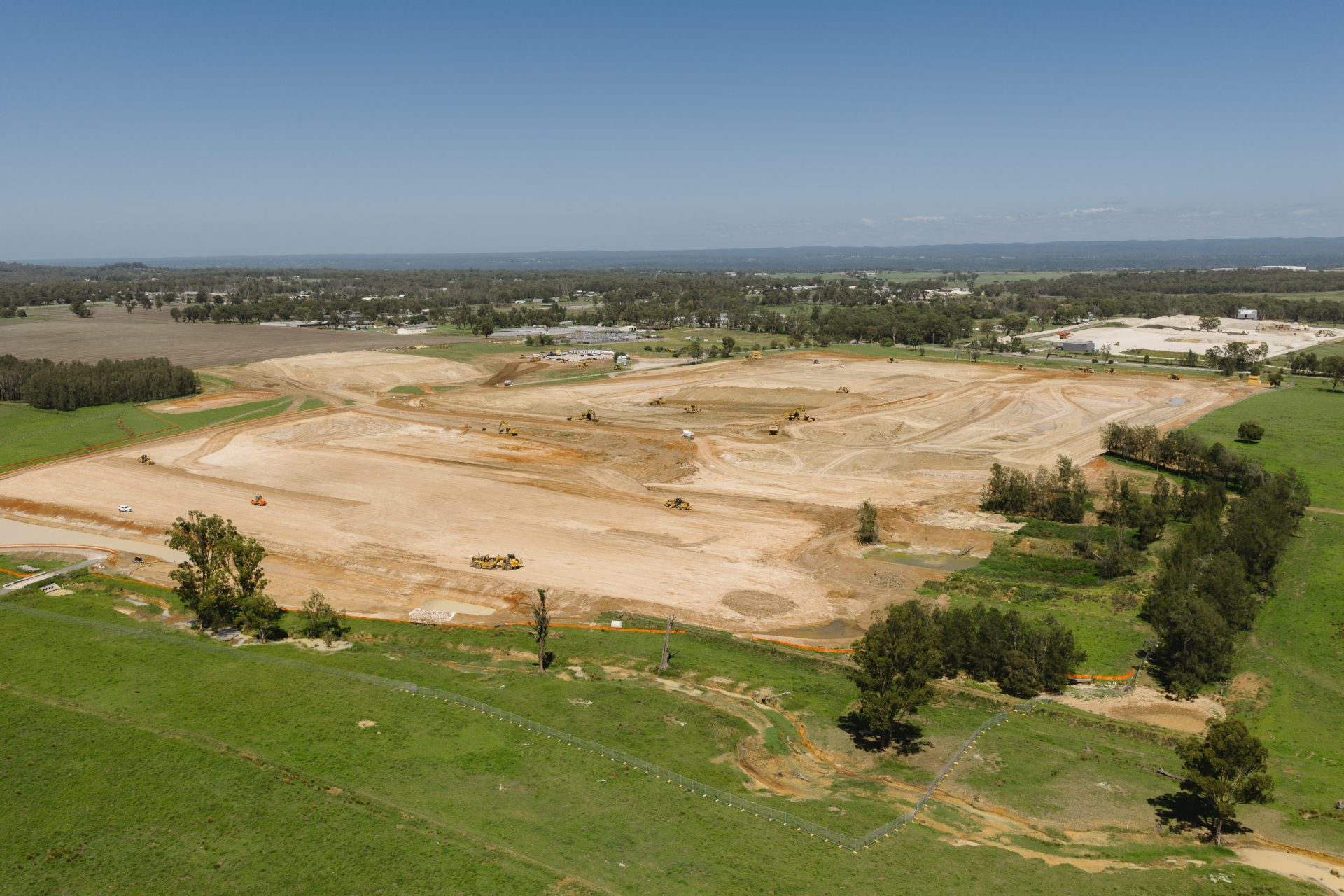
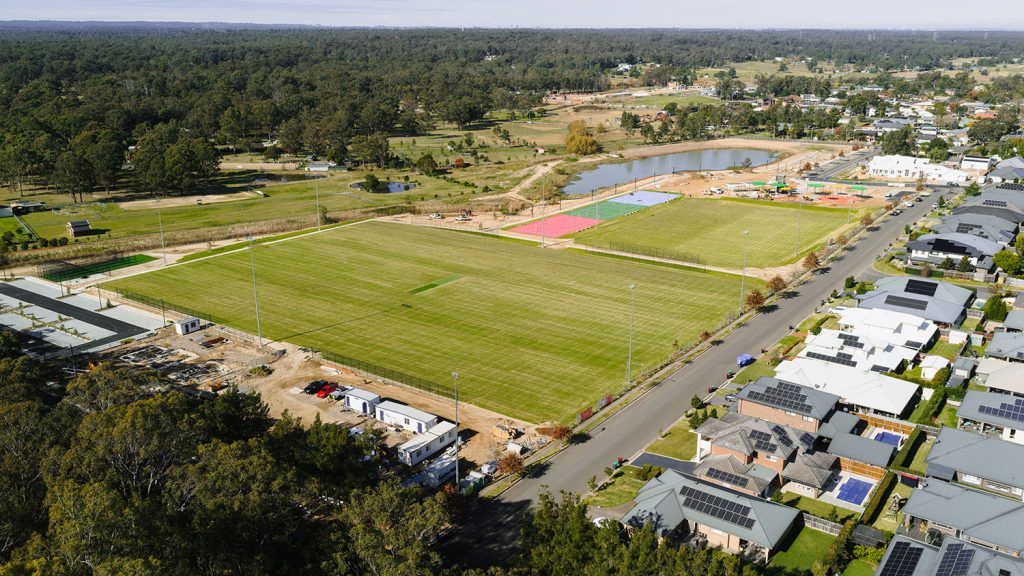
At Badgerys Creek, WEM Civil was engaged by Ingham Property Group to deliver the bulk earthworks and civil infrastructure for a major industrial development, forming part of Western Sydney’s rapidly expanding logistics and employment corridor.
With a highly ambitious program, complex staging requirements and significant infrastructure interfaces, the project demanded meticulous detail in execution with early insight, disciplined planning and absolute control required from day one.
Through a highly considered methodology and collaborative approach, WEM established a clear pathway to delivery, creating confidence and certainty across all stakeholders before works even commenced.
-
CLIENT
Ingham Property Group -
Region
Greater Sydney -
Status
In Progress - #Infrastructure #WEM Civil
About the Project
Key elements of civil works required for the Badgerys Creek industrial development include:
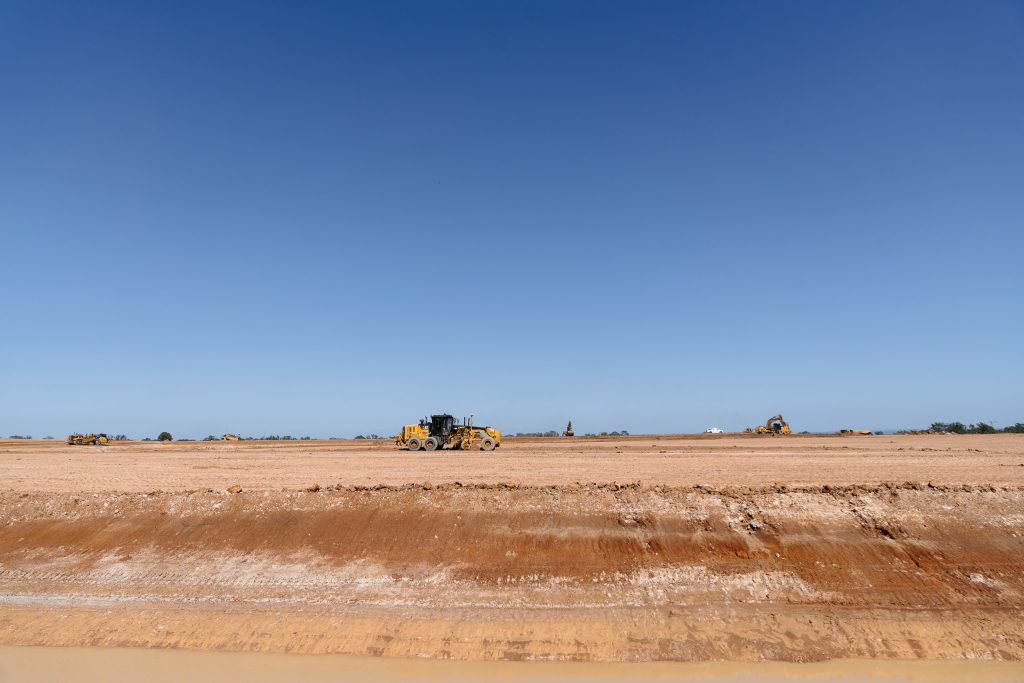
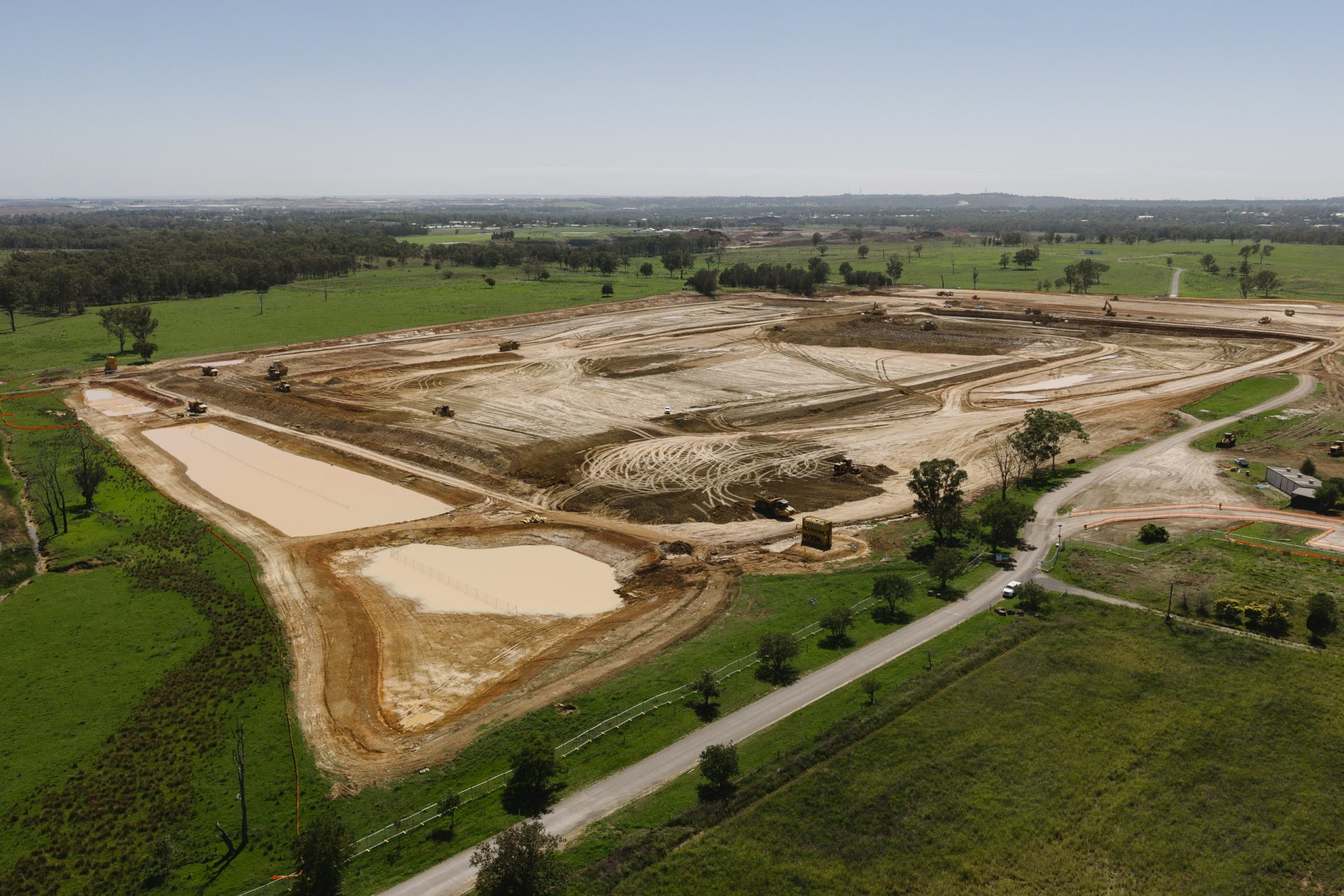
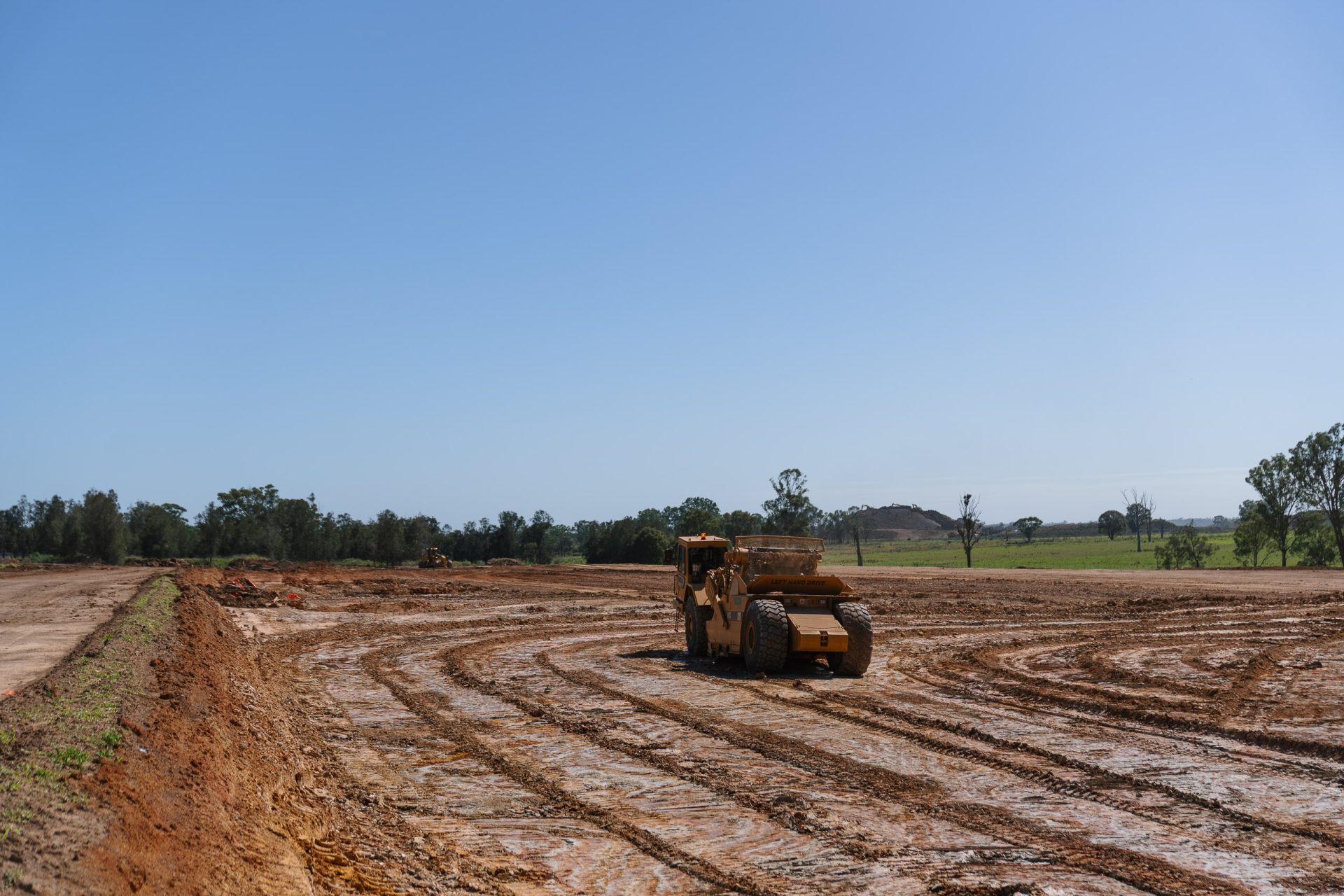
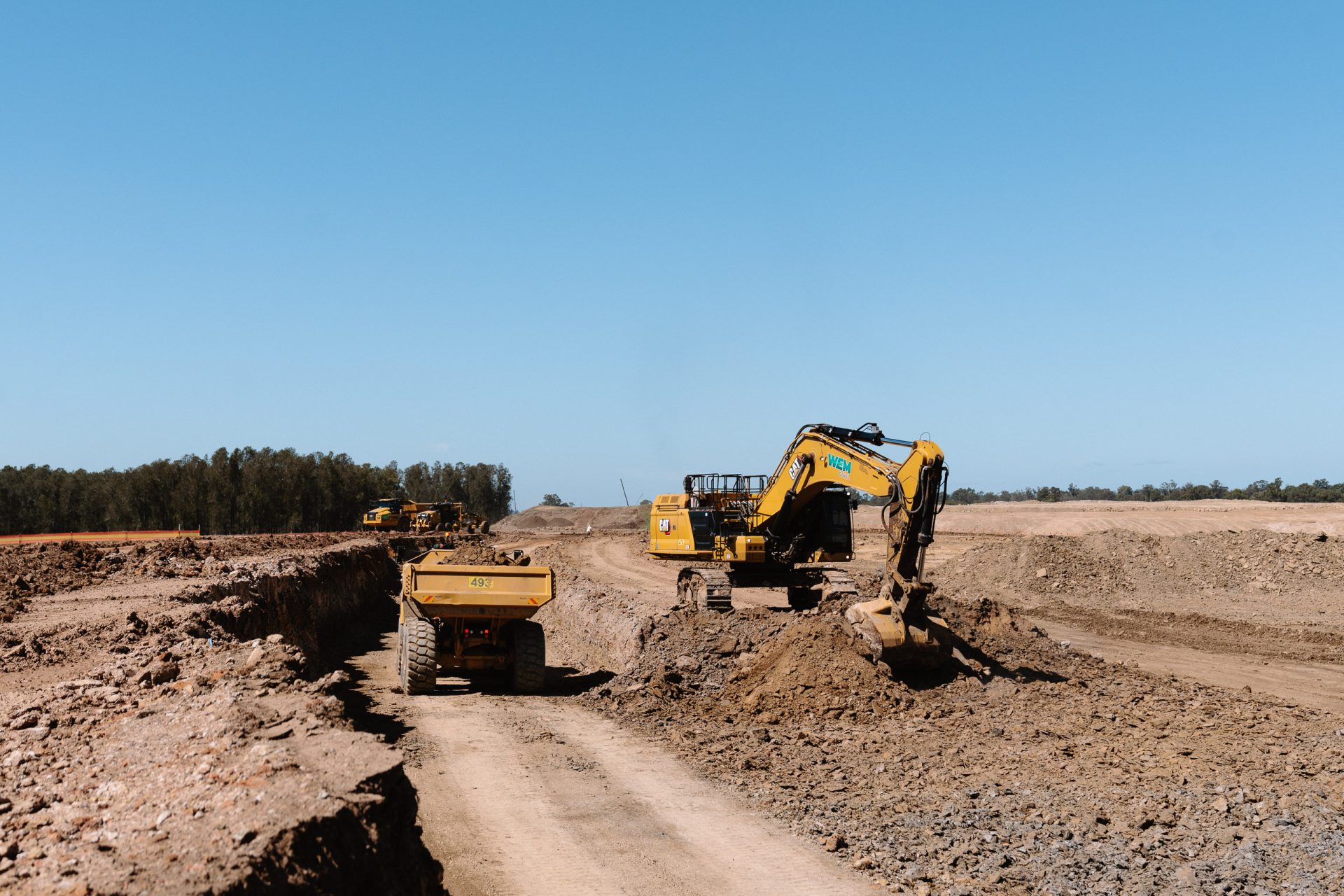
• Bulk earthworks across multiple stages, with over 500,000m³ of material managed on site
• Delivery of the ALDI pad and access road under tight program timeframes
• Construction of internal road networks and servicing across multiple lots
• Installation of deep sewer and wastewater infrastructure
• Stormwater basin construction and environmental controls
• Upgrade of Badgerys Creek Road, including a new roundabout under live traffic conditions
WEM’s methodology focused on balancing program reliability with flexibility, allowing multiple work fronts to operate concurrently while maintaining control across interfaces and stakeholders. Below outlines key risks and requirements necessary to deliver this state-significant project on time and as promised.
Early Risk Identification
Critical to the success of the Badgerys Creek project was WEM’s ability to identify key risks and constraints early, shaping both methodology and program from the outset.
During the tender and planning phase, WEM undertook a comprehensive assessment of project challenges, including:
- High-volume plant movement across a constrained footprint
- Deep sewer excavation and associated safety risks
- Interfaces with live traffic along Badgerys Creek Road
- Overhead 22kV powerlines and underground gas infrastructure
- Strict program requirements tied to ALDI pad delivery
- Stakeholder access, including adjacent landowners and infrastructure providers
Rather than treating these as constraints to manage reactively, WEM embedded them into the project strategy developing a detailed methodology that aligned project phasing, resourcing and risk controls from day one. This early planning allowed for:
- Defined construction pathways and staging logic
- Proactive mitigation strategies for high-risk activities
- Clear communication across all stakeholders
- Greater confidence in both the program cost and delivery
By resolving complexity upfront, WEM established a structured and controlled approach to delivery, reducing uncertainty and enabling informed decision-making throughout the project lifecycle.
Engineering the Earthworks Strategy
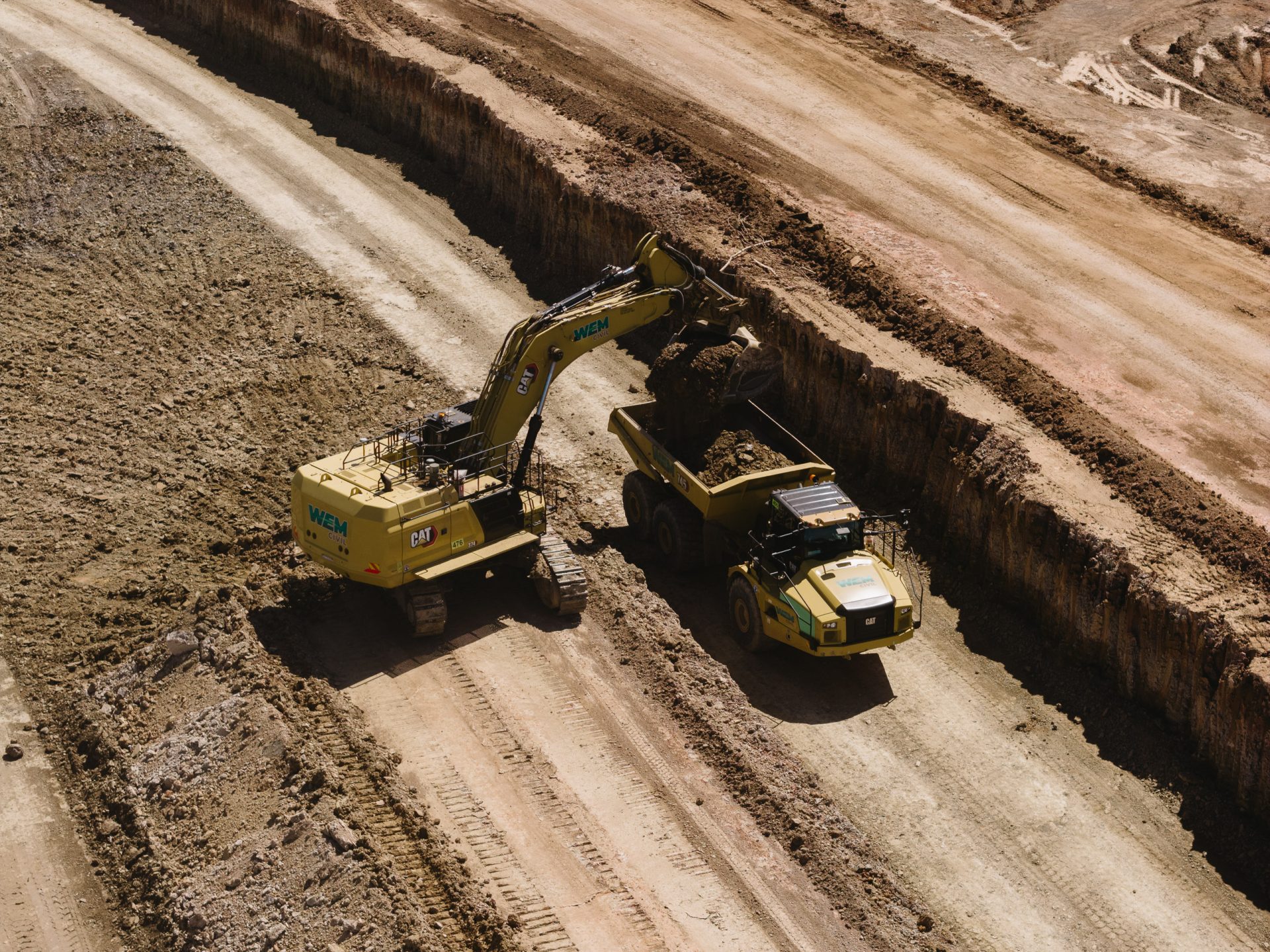
Of significant importance to the project was how bulk earthworks would be managed. With approximately 500,000m³ of material to be excavated, moved and placed across the site, earthworks were not simply a scope item, they were the core component that led the program, logistics and ability to maintain ongoing civil works.
WEM approached this with a detailed, engineering-led strategy, underpinned by 3D modelling and production analysis.
Key considerations included:
- Balancing cut-to-fill operations with stockpile constraints
- Managing limited stockpile areas without compromising safety
- Maintaining productivity while controlling environmental impacts
- Ensuring compliance with strict compaction and geotechnical requirements
To address this, WEM developed alternative stockpiling strategies, splitting material across multiple locations to reduce height and instability risks. Simultaneous our foremen led cut-to-fill and stockpiling operations to maintain efficiency while allocating dedicated plant and compaction resources ensured material quality. By leveraging our large, scalable fleet, our team can adapt to changing program demands, transforming high-risk, high-volume earthworks requirements into a controlled and repeatable process that ensures both productivity and compliance across all stages of earthworks delivery.
Phasing works for Program Success
The earthworks strategy directly informed the project’s broader sequencing and time management approach.
With multiple work fronts, infrastructure interfaces and a strict delivery program, WEM structured the project into five separable portions, allowing works to be staged, overlapped and coordinated with certainty. As such, this phased methodology enabled:
- Concurrent progression of bulk earthworks, services and roadworks
- Early commencement of critical infrastructure such as deep sewer
- Controlled delivery of access roads to maintain site functionality
- Flexibility to adapt sequencing as conditions evolved
Importantly, this structure reduced interface risk between trades and stakeholders, while maintaining a clear and logical construction flow – creating program resilience and efficiency.
Meeting the Program Under Time Pressure
A key priority for the client was the delivery of the ALDI pad and associated infrastructure.
To meet these deadlines, WEM implemented a high-production earthworks model, significantly increasing output during critical phases through a program that delivered to exacting requirements. This included:
- Doubling production rates to exceed 10,000m³ per day
- Scaling operations to achieve up to 20,000m³ per day where required
- Running parallel work fronts across earthworks and access infrastructure
- Aligning plant, labour and sequencing to maintain continuous progress
Rather than relying on acceleration as a reactive measure, WEM designed the program to support high productivity from the start, ensuring key milestones could be achieved without compromising quality or safety.
This disciplined approach enabled the team to maintain momentum while managing external factors such as weather, access and stakeholder dependencies.
Stakeholder Confidence Through Collaboration
Given the scale and complexity of the project, stakeholder coordination was fundamental to successful delivery.
WEM adopted a structured, relationship-led approach ensuring all parties were aligned, informed, and supported throughout the project lifecycle. To achieve this, WEM focused on the following:
Community-First Liaison
WEM prioritised open and transparent communication with all affected stakeholders, including neighbouring landowners and road users. Construction activities, access requirements and potential impacts were clearly communicated, ensuring minimal disruption and strong community outcomes.
Leveraging Local Relationships
With a long-standing relationship with Liverpool City Council, WEM was able to streamline inspections, approvals, and coordination—reducing delays and supporting program certainty.
Ensuring Productive Partnerships
WEM’s collaborative approach extended across all project stakeholders, including:
- Ingham Property Group
- Endeavour Energy
- Sydney Water
- Utility providers and contractors
Regular communication, coordinated planning and a shared focus on outcomes ensured that interfaces were managed effectively and risks were minimised.
Delivering with Confidence and Control
The Badgerys Creek industrial development demonstrates WEM Civil’s ability to deliver large-scale, high-complex projects through early insight, structured planning and disciplined execution.
By identifying risks early, engineering a robust earthworks strategy and aligning sequencing with program demands, WEM has created a delivery model built on confidence and control.
The result is a project that not only meets ambitious timelines but sets a benchmark for how complex industrial developments can be delivered with clarity, collaboration and control.

Please fill in the form below to download brochure
Other Projects
View All Projects

Get in Touch
If you would like to talk to a member of our team or need more information about WEM Civil, simply complete the form below and we’ll be in touch.
WEM Civil
Suite 301, 7-9 Irvine Place
Bella Vista NSW 2153